Key Takeaways
No single model won every job in 2026. The teams that moved fastest treated the field as a toolkit and routed work by strength rather than loyalty.
GPT Image 2.5 became the most reliable generalist for complex instructions and mixed constraints. Nano Banana often won pure photorealism and value. Midjourney kept the strongest pure aesthetic voice. FLUX owned photoreal control and open-weight options. Specialists (Ideogram, Recraft) still saved the most time on text and vector brand work.
Consistency systems (Personalization, Brand Kits, multi-reference, style references) now matter more than any single generation. The year rewarded people who invested in reusable setups.
The biggest practical shift was psychological: stop expecting one model to be “the answer” and start treating routing as a core skill.
This is the closing note of the cluster — not another ranking, but the patterns that held up after a full year of shipping real work with the current generation of models. The individual reviews cover strengths and limits in detail. This piece is about what actually changed the way projects got done.
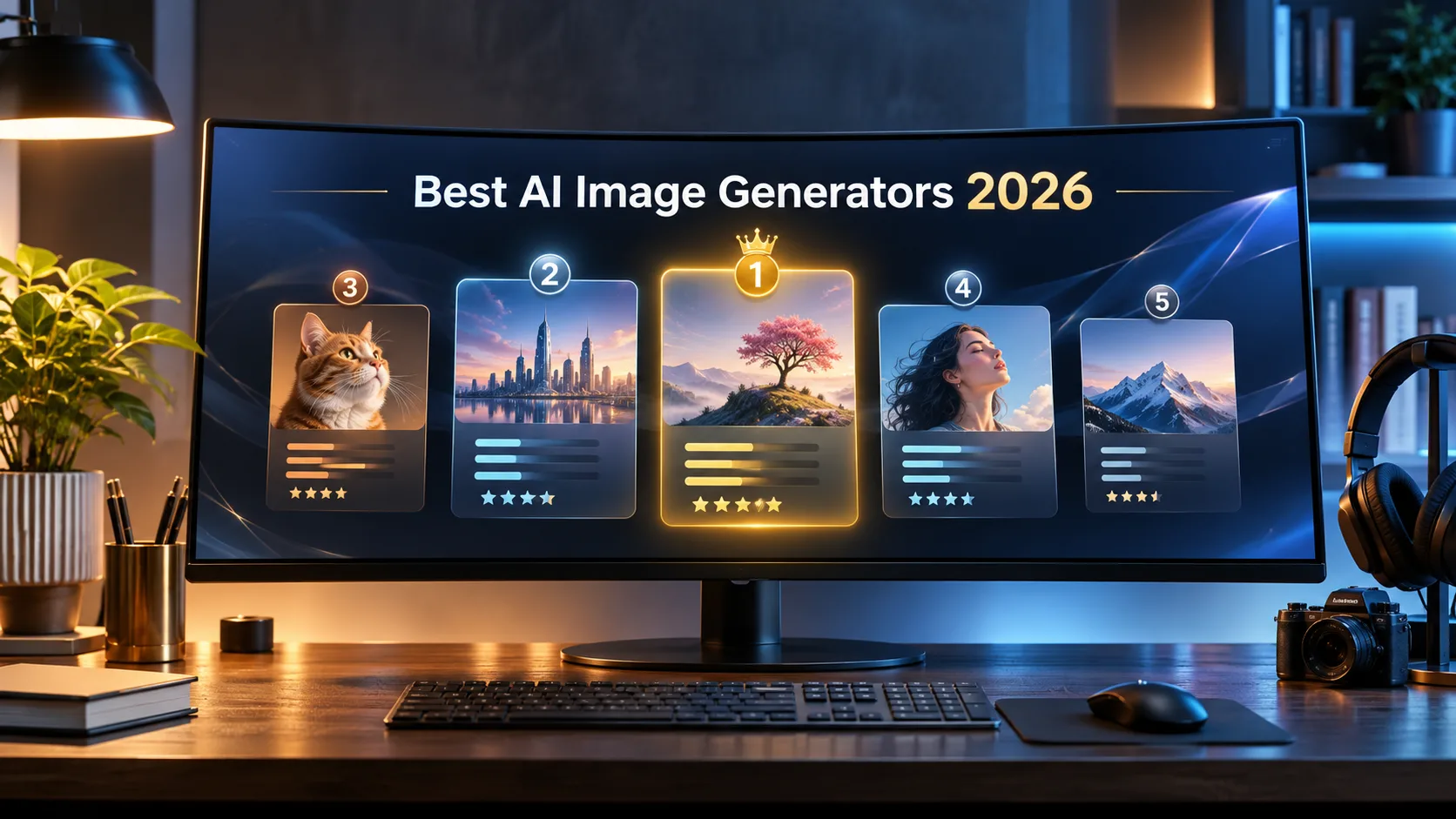
For the model-by-model evidence, start with the 2026 ranking and comparison and the linked deep dives.
1. Routing Beat Loyalty
The single highest-leverage habit of the year was refusing to force every brief through one favorite model. Projects moved faster when the first decision was “which tool is this job actually for?” rather than “how do I make my usual model do this?”
A rough routing map that held up:
Complex multi-constraint or text-inclusive scenes → GPT Image 2.5
Maximum photographic naturalism or high volume at low cost → Nano Banana
Distinctive style, mood boards, editorial feel → Midjourney V8.2
Photoreal control, spatial accuracy, self-hosting → FLUX
Cinematic atmosphere and fast integrated access → Grok Imagine
Dense typography and design layouts → Ideogram
Vectors, icons, brand kits → Recraft
Cost-efficient commercial volume and multilingual layout work → Seedream
None of these lines are absolute. They are defaults that reduced wasted generations and cleanup time.
2. Consistency Systems Outperformed One-Off Genius
The models improved enough that a single impressive generation became less rare. What remained scarce was coherence across a set — campaign assets, character series, product colorways, brand system pieces. The tools that rewarded investment in Personalization, Brand Kits, multi-reference setups, and style references paid for themselves on multi-asset projects. One-off prompting still worked for exploration; production work needed locked systems.
3. Text Is Still a Specialist Job
Every major model got better at short text. Dense, hierarchical, commercial-critical text still belonged to Ideogram or carefully constrained GPT Image 2.5. Treating text as “mostly solved” continued to create cleanup work. Quoting exact wording and describing hierarchy remained non-negotiable. Routing pure text-heavy deliverables to a specialist remained the lowest-drama path.
4. Cost Only Dominates at Scale
For project-based or client work, the expensive generation was usually the one that had to be redone because the wrong model was chosen or the prompt was unclear. Per-image price differences mattered most for high-volume pipelines and internal tools. In those cases Nano Banana 2.1, FLUX open weights, and Seedream Lite/Flash changed the economics. For everything else, reliability and fit mattered more than the last few cents.
5. Prompt Structure Traveled; Magic Phrases Did Not
The prompts that survived model updates and cross-tool use shared a clear skeleton: subject, setting, lighting, camera or style, constraints, and quoted text when needed. Long lists of conflicting adjectives and “secret” style keywords degraded quickly. A small personal library of structured patterns for product, portrait, poster, and environment work outperformed constant reinvention. Details and model-specific notes live in the prompts article.
6. Open Weights Changed the Private and Volume Conversation
FLUX 3 Image Klein and related open releases made serious self-hosted and private generation practical for more teams. This did not displace the closed leaders on pure preference rankings, but it changed the options for regulated environments, high-volume internal tools, and cost-sensitive production. The existence of a strong open tier is now part of the strategic picture, not a niche concern.
7. The Human Role Shifted Upstream
Less time was spent fixing hands and basic anatomy. More time was spent on brief clarity, routing decisions, consistency systems, and final selection or light post-work. The models absorbed a larger share of the “make something that looks intentional” problem. The remaining human advantage concentrated on judgment: what the work is actually for, which tool fits, when to stop generating, and what needs a designer’s final pass.

What I Would Do Differently Next Year
Invest earlier in Brand Kits, Personalization, and multi-reference setups for any recurring client or product line.
Default to routing by job type instead of defaulting to a single “main” model.
Treat text-heavy and pure vector work as specialist lanes from the first brief, not after the third failed generalist attempt.
Keep a short living document of what each model currently does best, updated when major versions ship.
Budget time for selection and light refinement rather than assuming the first strong generation is final.
The simplest summary of the year: The models got good enough that the bottleneck moved from “can it make a decent image?” to “are we using the right model, with clear constraints, inside a system that stays consistent?” Teams that adapted to that shift shipped more cleanly than teams still searching for one universal tool.
Closing
2026 did not produce a single winner. It produced a usable field of strong specialists and a couple of excellent generalists. The practical skill became knowing the field well enough to route work without drama and to build small systems that keep results coherent across a project.
The individual reviews in this cluster exist so you do not have to rediscover those strengths and limits from scratch. Use the ranking for orientation, the deep dives for decision detail, the prompt patterns for daily work, and this note as a reminder that the highest-leverage move is still choosing the right tool for the job in front of you.
Explore the Full Cluster
Deep dives, real-project notes, and practical prompt systems for every major model in the 2026 ranking.
GPT Image 2.5 Deep Dive: How Good Is OpenAI’s Current Image Model in Real Use?
Google’s Nano Banana Series Tested: Speed, Consistency, and Value in 2026
Midjourney V8.2 After Months of Daily Use: Still the Style King?
Grok Imagine Image 2.0: Cinematic Results and Where It Actually Shines
Ideogram 4.x for Text-Heavy Images: Posters, Logos, and Layouts
Seedream 5 in Practice: Commercial and Design Work Outside the Usual Suspects
Recraft for Brand Work: Vectors, Consistency, and Design Systems
Prompts That Actually Work Across GPT Image, Nano Banana, Midjourney & FLUX
For AI tool features, rules and availability, refer to their official sites.
Leave your thoughts here, too.