
The phrase ai prompt engineer sounds like a job title from a glossy technology conference. In practice, it can describe someone who helps people get more reliable results from AI tools by writing clear instructions, testing outputs, and building repeatable workflows. Here was the actual task I tested: turn a messy vendor email into a short summary, a list of action items, and a reply draft. The starting time was about 18 minutes. A useful prompt reduced the first draft to 7 minutes, but it did not remove the need for review.
That distinction matters. An ai prompt engineer is not simply a person who knows clever phrases for ChatGPT. The useful version of the role combines writing, process analysis, subject knowledge, and quality control. The job is less like casting a spell and more like writing a work instruction for a fast assistant that sometimes guesses.
What an ai prompt engineer actually does
An ai prompt engineer designs instructions that give an AI system enough context to produce a specific, usable result. That can mean creating a customer-service response template, asking an AI tool to classify support tickets, or turning meeting notes into a follow-up plan. The work usually includes several passes rather than one perfect sentence.
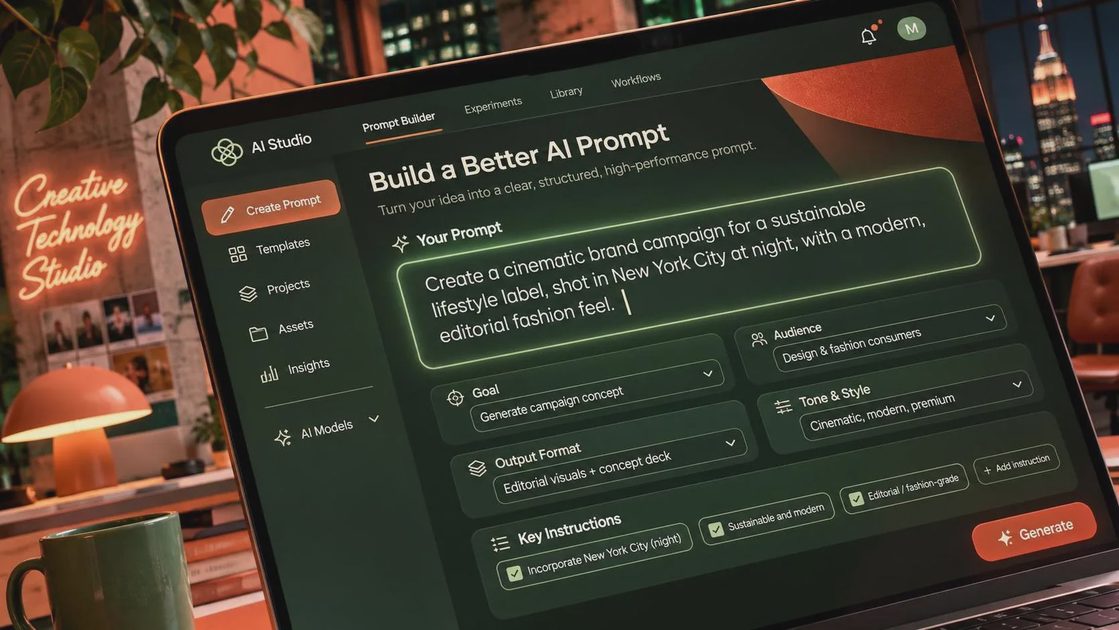
First, the person defines the desired output. “Summarize this” is vague. “Write five bullets for an operations manager, separate decisions from open questions, and quote any deadline exactly” is much more useful. Next comes context: the audience, source material, tone, limits, and format. Finally, the ai prompt engineer tests the instruction against several real examples and records where the output fails.
A prompt can look excellent in a demonstration and still fail on Tuesday afternoon. Names may be misspelled, dates may be moved into the wrong column, or a confident answer may contain a detail that never appeared in the source. Good work therefore includes instructions such as “use only the supplied text,” followed by a human review step.

The skills that matter more than fancy wording
Clear writing is the first skill. You need to describe a task without hiding the important conditions. If a prompt asks for a spreadsheet formula, it should include the column names, example rows, expected result, and software being used. If it asks for an email, it should explain who will receive it and what action the recipient should take.
The second skill is breaking work into stages. Instead of asking an AI tool to read a 20-page policy and make a final recommendation, an ai prompt engineer might separate the process into extraction, comparison, risk flags, and final drafting. This makes mistakes easier to find. It also lets a worker stop after the useful stage instead of accepting a polished but unsupported conclusion.
The third skill is evaluation. I keep a small table with the original task time, AI drafting time, correction time, and final quality. A prompt that saves 10 minutes but creates 15 minutes of corrections is not a productivity win. This simple measurement habit separates practical prompting from impressive-looking experimentation.
Technical skills can help, especially for roles involving APIs, automation platforms, or structured data. However, many workplace prompt projects begin with tools such as ChatGPT, Claude, Microsoft Copilot, Google Gemini, Zapier, or Make. Understanding the process is more valuable than memorizing a long catalog of prompt tricks.
A real workplace prompt test
Suppose an operations coordinator receives 30 vendor messages each morning. The goal is to identify shipment delays, missing documents, and requests that need a response. A weak prompt might ask an AI chatbot to “review these emails and tell me what matters.” The result could be a reasonable summary, but it might mix urgent issues with routine updates.
A stronger version defines categories and evidence. It asks the tool to create one section for delays, one for missing paperwork, and one for questions requiring a reply. Each item must include the vendor name, shipment reference, stated deadline, and a short quotation from the message. If a detail is absent, the output must say “not provided” rather than inventing it.
Here’s what I still had to fix in a similar test: the tool treated a requested delivery date as a confirmed delivery date, and it combined two separate orders because the vendor used the same customer name. The correction took about four minutes. That was acceptable because the original sorting task took nearly half an hour, but the output could not be sent without inspection.
This is where an ai prompt engineer adds value. The person notices the failure pattern, changes the instructions, and adds a review rule for ambiguous dates and duplicate names. The improved workflow is not just a better prompt; it is a safer process.
How to become an ai prompt engineer without chasing hype
Start with one recurring task you understand well. Email triage, invoice explanation, job-description drafting, meeting-note cleanup, and spreadsheet assistance are good choices because you can judge the result yourself. Record how long the task normally takes and save three representative examples, including one difficult case.
Then write a first prompt using plain language. State the role the tool should play, provide the relevant context, describe the output format, and list restrictions. Ask for uncertainty to be labeled. Run the prompt on all three examples, not just the easiest one. Note every correction you make, because those corrections reveal what the prompt failed to specify.
After that, create a small prompt library with a purpose, required inputs, expected output, and known failure points. Version names such as “vendor-summary-v2” are more useful than a folder full of mysterious text. If the task includes confidential customer, employee, financial, or health information, follow your employer’s approved tool and data-handling rules before pasting anything into an AI service.
Formal certificates can be useful for structure, but a portfolio of tested workflows often tells a clearer story. Show the original task, the starting time, the prompt, the output, the corrections, and the measured result. An employer can understand that evidence faster than a collection of buzzwords.
Is the role worth pursuing?
An ai prompt engineer role can be a sensible direction for writers, analysts, operations specialists, trainers, and customer-support professionals who enjoy improving messy processes. It is especially appealing if you already know a business area and can explain what a correct answer looks like. Domain knowledge gives you an advantage because AI cannot reliably supply the standards used to judge its work.
The market is also changing quickly. Some companies use the title for a dedicated technical position involving model evaluation and automation. Others use it for a general employee who creates templates and trains coworkers. Read the responsibilities carefully instead of assuming the title tells you everything. Look for terms such as workflow design, evaluation, documentation, data privacy, API integration, or user training.
My practical test is simple: choose a task, measure the baseline, run the AI version, and count the corrections. If you enjoy that loop, keep building. If you only enjoy the impressive first response, the work may become frustrating. The demo looked good. The Tuesday test was different.
The honest bottom line
An ai prompt engineer does not make AI intelligent through magic wording. The real work is translating a business need into clear instructions, testing the result on ordinary examples, and designing safeguards for predictable mistakes. That is valuable because most offices do not need more impressive demos; they need fewer repetitive steps and fewer preventable errors.
Before paying for a course or changing careers, test it in real life. Pick one task this week, write down the minutes spent, compare the AI draft with your final version, and calculate the correction time. If the result saves time without lowering quality, expand the experiment. If it creates cleanup work, change the process or skip the shortcut. That measured approach is the most useful skill in the field.
For AI tool features, rules and availability, refer to their official sites.


Leave your thoughts here, too.