Key Takeaways
GPT is the United States OpenAI flagship large language model, currently among the top performers for complex reasoning and agentic tasks.
Claude is the United States Anthropic model that frequently leads coding and professional-work benchmarks in late 2026.
Gemini is Google’s (United States) frontier multimodal model, strong across text, images, and long-context understanding.
Grok is xAI’s (United States) model known for real-time knowledge via X and a more open conversational style.
DeepSeek is a leading Chinese open-weight and API model offering strong performance at lower cost.
Qwen is Alibaba’s (China) flagship series, widely used in Chinese-language and multimodal scenarios.
Kimi is Moonshot AI’s (China) long-context model popular for research and document-heavy work.
Mistral is France’s leading open-weight frontier model .
Midjourney remains a top artistic image generator, while Flux (Black Forest Labs) and native models from OpenAI/Google lead in prompt accuracy and text rendering.
Kling, Google Veo / Gemini video models, and Runway are among the strongest options for AI video generation in 2026.
Contents
1. Popular AI Models by Country
Only the most widely discussed and high-performing models are listed. The United States and China currently dominate frontier model development; a few European labs also ship competitive systems.
🇺🇸 United States
The US remains the clear leader in both closed frontier models and overall ecosystem maturity.
GPT-6 series (GPT-6 Astra, GPT-6.1 Sol / Terra, etc.)
OpenAI · Flagship LLM family
OpenAI’s GPT-6 generation is the successor to the GPT-4/GPT-5 era. Astra sits at the top for the hardest reasoning and agentic workloads; cheaper tiers (Sol, Terra, Luna) balance quality and cost. Available via ChatGPT and the OpenAI API.
Claude Opus 5.5 / Sonnet 5.5 / Fable series
Anthropic · Safety-focused frontier models
Anthropic’s Claude models excel at careful reasoning, long documents, and coding. Opus 5.5 frequently ranks at or near the top of independent coding and knowledge-work evaluations. Strong enterprise adoption.
Gemini 4 (Argon / Carbon) and Flash variants
Google DeepMind · Multimodal flagship
Gemini 4 models offer very large context windows and native multimodality (text, image, audio, video). Argon is the publicly available frontier tier; Carbon is a higher internal/limited tier. Tightly integrated with Google Search and Workspace.
Try Gemini → gemini.google.com · Developer docs → ai.google.dev
Grok 4.7 (and related)
xAI · Real-time & less-filtered style
Grok stands out for live knowledge from the X platform and a more irreverent personality. Useful when you want current events or less heavy-handed refusal behavior. Available in the Grok app and via API.
Muse series (Wonder / Spark)
Meta · Closed frontier + open-weight heritage
Meta continues to release strong models. Muse Wonder is a high-capability closed model; earlier Llama generations remain widely used in the open-source community.
🇨🇳 China
Chinese labs have closed much of the gap on open-weight and cost-efficient models and lead in several domestic use cases and some video/image tools.
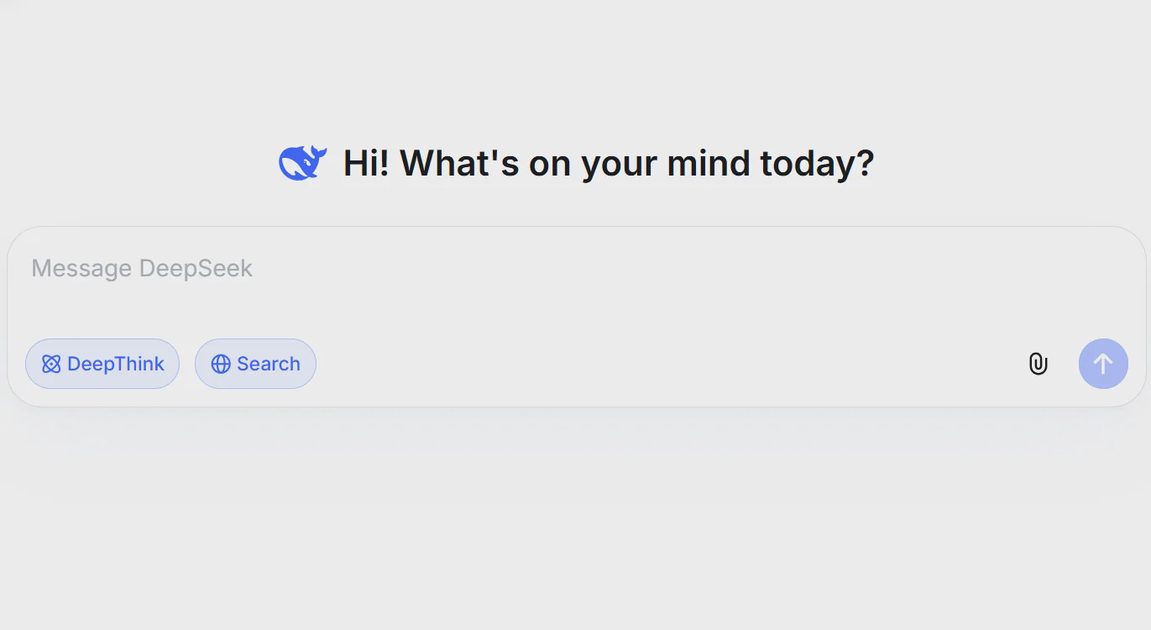
DeepSeek V4 / V4.1 series
DeepSeek · High performance, competitive pricing
DeepSeek models frequently appear near the top of usage and value rankings. Strong reasoning and coding ability at lower API prices; many variants release open weights.
Qwen3.8 Max (and Qwen family)
Alibaba · Broad multimodal & open-weight ecosystem
Qwen models are among the most popular open-weight families worldwide and power many Chinese products. Excellent multilingual (especially Chinese) and multimodal support.
Kimi K3 / K3.1
Moonshot AI · Long-context specialist
Kimi is known for very long context windows and strong document/research workflows. Popular among users who need to process large amounts of text in one go.
🇫🇷 France / Europe
Mistral Large 4
Mistral AI · Europe’s leading open frontier model
Mistral continues to be the primary European challenger. Large 4 ships with open weights under a permissive license and competitive performance, making it attractive for self-hosting and European data-sovereignty use cases.
2. Models by Type
The same companies often release models specialized for different modalities. Here is a practical map for beginners.
Large Language Models (LLMs) — Text, Reasoning, Coding, Agents
These are the “chatbots” and reasoning engines most people first encounter.
Top closed frontier: Claude Opus 5.5, GPT-6 Astra, Gemini 4 Argon
Strong value / open options: DeepSeek V4.1, Qwen3.8, Mistral Large 4, various Meta Muse / Llama derivatives
Real-time / personality: Grok 4.7
Best starting points for most beginners: ChatGPT (OpenAI), Claude.ai, or Gemini.
Image Generation
Text-to-image (and image editing) models have become highly specialized.
Artistic / aesthetic quality: Midjourney (still a favorite for polished creative work)
Prompt accuracy & text in images: OpenAI’s GPT Image models, Google’s Nano Banana family, Ideogram
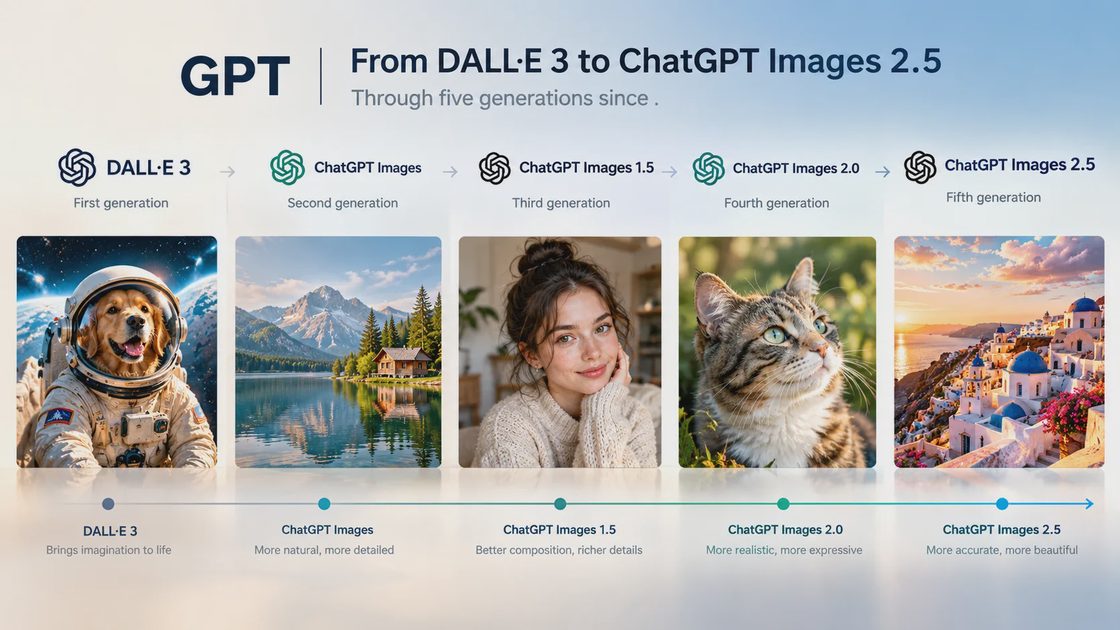
Open-weight / self-hostable: Flux family from Black Forest Labs (Germany-origin team), Stable Diffusion derivatives
Integrated in chat: Image generation inside ChatGPT, Gemini, and some Chinese apps
Official / main sites: midjourney.com · bfl.ai (Flux)
Video Generation
Video models advanced rapidly in 2025–2026. Note that OpenAI’s earlier Sora consumer product was discontinued; the current leaders are elsewhere.
Strong all-round & motion quality: Kling (Kuaishou) — popular for longer clips and realistic motion
Cinematic + native audio: Google Veo / Gemini video models (Flow / Omni variants)
Creative control & editing suite: Runway (Gen-4.5 and related tools)
Fast / atmospheric: Luma Dream Machine / Ray series
Other notable: Seedance (ByteDance), MiniMax Hailuo, various Chinese models
Main sites: kling.ai · runwayml.com · lumalabs.ai
Audio & Speech
Text-to-speech / voice: Native TTS inside Gemini, OpenAI, and xAI products; specialized models from ElevenLabs and others
Music generation: Suno and similar tools remain popular for full songs from text prompts
Speech recognition & real-time conversation: Built into most major chat products (ChatGPT Advanced Voice, Gemini Live, etc.)
Multimodal & Agent Systems
Modern frontier models are increasingly multimodal (they accept images, documents, sometimes video/audio) and agentic (they can use tools, browse, write code, and act over multiple steps). Claude, GPT-6, and Gemini are the clearest examples of this trend in everyday products.
3. How Beginners Should Choose
Start simple
You do not need the absolute smartest model for everyday questions, writing help, or learning. Free or low-cost tiers of ChatGPT, Claude, Gemini, or DeepSeek are more than enough to begin.
Match the job
Writing, analysis, coding, research → Claude or GPT-6 family
Long documents or Chinese-language work → Kimi or Qwen
Beautiful images → Midjourney or Flux
Short videos / social content → Kling, Runway, or Google’s video tools
Cost-sensitive or self-hosted → DeepSeek, Qwen, Mistral, Flux open weights
Watch the pace of change
New model versions appear every few weeks. Rankings shift. The best practical habit is to pick one or two interfaces you like and stay current with their model picker rather than chasing every release.
4. Getting Started Quickly
Ask ordinary questions first (“Explain quantum computing simply”, “Help me outline a blog post”, “Debug this Python error”).
Experiment with uploading a PDF or image once you are comfortable.
When you need images, try the built-in generators or open Midjourney / a Flux platform.
For video, start with short clips on Kling or Runway’s free/credit tiers.
Within a few hours of casual use you will develop an intuition for which tool feels best for your own work.
This guide reflects the public AI landscape as of early November 2026. Model names, rankings, and availability change rapidly — always check the official sites linked above for the latest information.
Written for beginners · Independent overview
For AI tool features, rules and availability, refer to their official sites.


Leave your thoughts here, too.