
🔑 Key Takeaways
OpenAI has run multiple large-scale automated account deactivations in 2026, including paid Plus and Pro ($200) users, often with little or no prior warning.
Most permanent bans stem from Terms of Use and Usage Policies violations: account sharing, VPN/proxy use from unsupported regions, multi-account stacking on the same device or payment method, circumventing safeguards, and prohibited content.
One person, one account, stable residential network, fixed payment method, MFA enabled, and strict compliance with official policies remain the strongest defenses.
If banned, never create a new account while an appeal is pending — that itself is treated as circumvention. Use the official appeal channel only.
Device and payment-card limits are now actively enforced; “stacking” cheap regional subscriptions is high-risk and increasingly detected.
In early November 2026, another wave of ChatGPT account deactivations hit users worldwide. Reports from Reddit, developer forums, and community groups showed that even long-standing paid Pro subscribers (including the $200/month tier) suddenly received the message: “You do not have an account because it has been deleted or deactivated.” Many received no prior email warning.
This is not the first mass enforcement action OpenAI has taken, and it will not be the last. Understanding why accounts get banned and following a small set of disciplined habits dramatically reduces your risk.
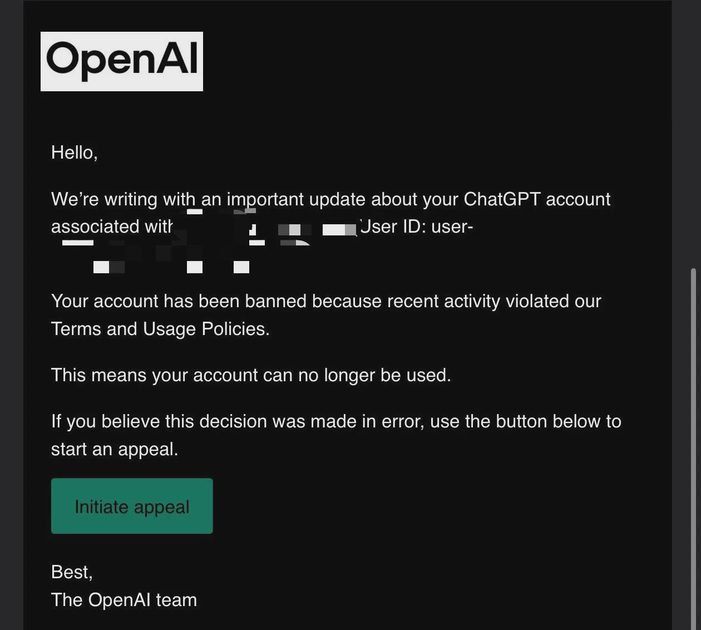
Why OpenAI Deactivates Accounts
According to OpenAI’s own Help Center, account closures fall into a few clear categories:
1. Usage Policies violations
Content or activity involving:
Sexual content that violates the policy (especially anything involving minors)
Child sexual exploitation or abuse material
Violence, self-harm, or weapons-related assistance beyond allowed bounds
Scams, fraud, phishing, or deceptive practices
Hate, harassment, or spam
Malicious cyber activity or attempts to compromise systems
Circumventing safety filters or jailbreaking attempts
2. Terms of Use violations
Sharing login credentials or making the account available to others
Sharing or reselling API keys
Circumventing security controls, rate limits, or regional restrictions
Using the service in ways that harm others or disrupt the platform
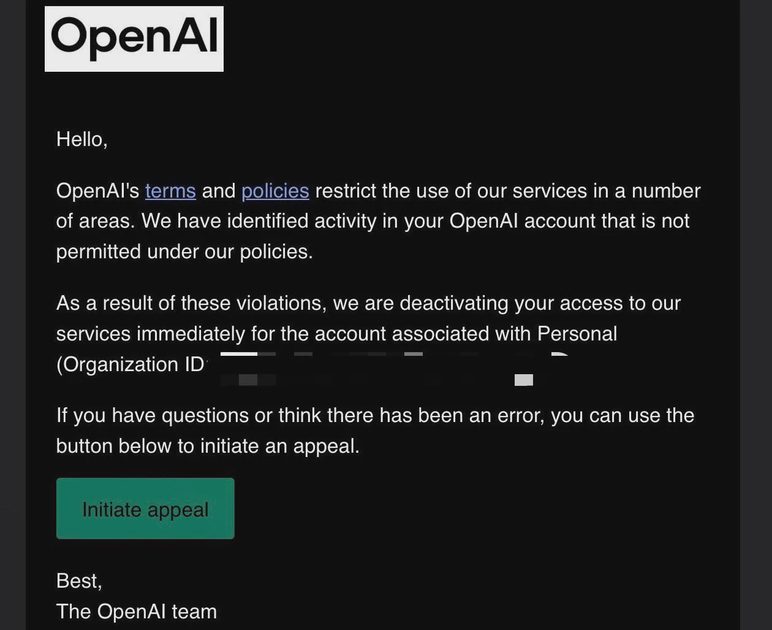
3. Security and verification issues
Suspected account compromise (often temporary at first)
Failure to complete required age or identity verification
Repeated violations after a warning
4. Practical high-risk patterns seen in recent waves
Community reports and enforcement patterns in 2026 consistently highlight:
Access via commercial VPNs, shared proxies, or data-center IPs
Multiple paid accounts tied to the same device or the same payment card
Rapid country switching or simultaneous logins from distant locations
Bulk-registered or low-price regional accounts used for stacking quotas
Unofficial reverse proxies, API resale, or model-distillation activity
Important distinction: A single refused response or a temporary safety suspension is not the same as a permanent deactivation. Permanent closures usually involve Terms breaches or repeated / serious policy violations.
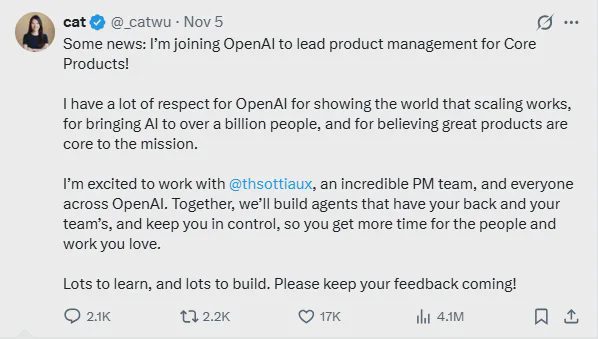
5.The “Cat Wu New Boss Energy” theory (highly unofficial)
Some users on Chinese social media and Reddit have floated a more entertaining explanation: Cat Wu just jumped from Anthropic (where she led product for Claude Code) to OpenAI’s Core Products team in early November 2026… and a few days later the ban hammer started swinging harder than usual.
The meme writes itself: new executive arrives, decides to “clean house,” and suddenly half the internet is staring at “account deactivated” screens. Of course there’s zero official evidence that Cat Wu personally ordered a purge, but the timing was too perfect for the conspiracy-minded not to notice. In true internet fashion, people are half-joking that her first three fires as the new boss were: tighten rate limits, kill the multi-account arbitrage, and remind everyone that shared proxies are not a personality trait.
Take it with a large grain of salt — but you have to admit the narrative is chef’s kiss.
How to Dramatically Lower Your Ban Risk
1. One person, one account
Never share your ChatGPT login. Family members or teammates should each have their own seat (Team or Enterprise plans exist for this reason). Shared accounts are one of the most reliable ways to trigger automated detection.
2. Keep a clean, stable network environment
Prefer a normal residential ISP connection over VPNs and shared proxies
Avoid logging in from many countries within a short time window
If you travel, sign out of devices you leave behind
Limit the number of paid accounts used on any single device
3. Use a consistent, legitimate payment method
Frequent changes of cards, gift cards from multiple sources, or the same card funding many accounts raise fraud and multi-account flags. Stick to one primary payment method under your real name when possible.
4. Enable strong account security
Turn on multi-factor authentication (authenticator app preferred)
Use a unique, strong password
Regularly review active sessions and revoke unused ones
Rotate API keys immediately if they are ever exposed
5. Stay inside the Usage Policies
Do not attempt jailbreaks or prompt techniques designed to bypass safety systems. Avoid generating or requesting content that falls into prohibited categories. When in doubt, rephrase the request so the legitimate purpose is clear.
6. Respect regional rules
OpenAI maintains a list of supported countries and regions. Accessing the service from unsupported locations (or using payment methods tied to them) is listed as a reason an account can be blocked or suspended. Check the current official list before registering or traveling long-term.
7. Avoid bulk or “stacked” setups
OpenAI has tightened device and payment-card limits. Trying to run many low-cost regional subscriptions on the same hardware or card is now actively restricted and has been a focus of recent automated sweeps.
What to Do If Your Account Is Deactivated
Do not create a new account immediately. Opening a replacement account while under review can be interpreted as circumventing a ban and may harm both the original and the new account.
Use the official appeal path. Check the notification email for an appeal link. If you received no email, use the official appeal form on OpenAI’s site or contact support through the Help Center.
Provide clear, factual context — what you normally use the account for, whether any shared access or VPN was involved, and any relevant payment or device details. Be concise and honest.
Secure your data and billing. Request a copy of your data via the Privacy Portal if needed, and cancel or pause billing through the original payment channel so you are not charged while locked out.
Reality check: Appeals are not guaranteed. Automated systems make many decisions, and success rates vary. Prevention is far more reliable than recovery.
Quick Prevention Checklist
One account per person — never share credentials
Residential IP preferred; avoid commercial VPNs when using ChatGPT
Stable payment method, ideally in your own name
MFA enabled + unique password
No jailbreaks, no prohibited content, no API key sharing
Stay within supported regions
Do not stack multiple paid accounts on the same device or card
If banned → appeal officially, do not immediately open a new account
Final Thoughts
OpenAI’s enforcement has become stricter and more automated in 2026. Mass ban waves that catch even paying users are a signal that the platform is prioritizing integrity, regional compliance, and anti-abuse measures over maximum accessibility.
The users who stay safest are the ones who treat their ChatGPT account like a professional tool: single-user, clean network, consistent identity, and full policy compliance. Follow those principles and your risk drops dramatically — even when the next automated sweep arrives.
This article is for informational purposes and is based on publicly available OpenAI policies and widely reported enforcement patterns as of November 2026. Always refer to the latest official Terms of Use and Usage Policies on openai.com for authoritative guidance.
For AI tool features, rules and availability, refer to their official sites.



Leave your thoughts here, too.